
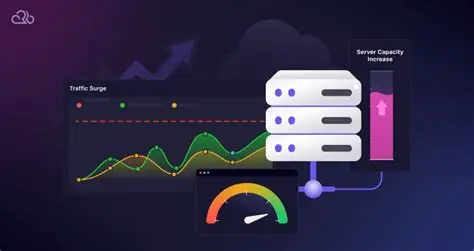
A sudden increase in website traffic spikes can happen for many reasons: a viral campaign, product launch, or seasonal demand. While increased traffic is positive, it can strain your website if not prepared.
Scaling your website ensures it remains fast, secure, and accessible even during high traffic periods.
Why Scaling Matters
Websites that are not prepared for traffic spikes may experience:
-
Slow loading speeds
-
Server errors or downtime
-
Poor user experience, leading to lost visitors
-
Negative impact on search engine rankings
Planning ahead allows your website to handle large traffic volumes smoothly, protecting both performance and reputation.
Key Strategies for Scaling Websites
1. Optimize Website Performance
A fast website reduces server load and improves user experience. Key steps include:
-
Compress images and media files
-
Minimize code (CSS, JavaScript, HTML)
-
Use browser caching
-
Implement lazy loading for images and videos
Optimized websites can handle more visitors without overloading servers.
2. Use a Content Delivery Network (CDN)
A CDN distributes website content across multiple servers globally, allowing users to access content from the server closest to them.
Benefits of a CDN:
-
Faster page loading
-
Reduced server strain
-
Better handling of sudden traffic surges
Popular CDN providers include Cloudflare, AWS CloudFront, and Akamai.
3. Upgrade Hosting Resources
Shared hosting may struggle with traffic spikes. Consider:
-
VPS (Virtual Private Server) – Offers more dedicated resources
-
Cloud hosting – Scales dynamically based on traffic
-
Dedicated servers – Best for very high-traffic websites
Cloud hosting is particularly effective because it automatically adjusts resources during traffic surges.
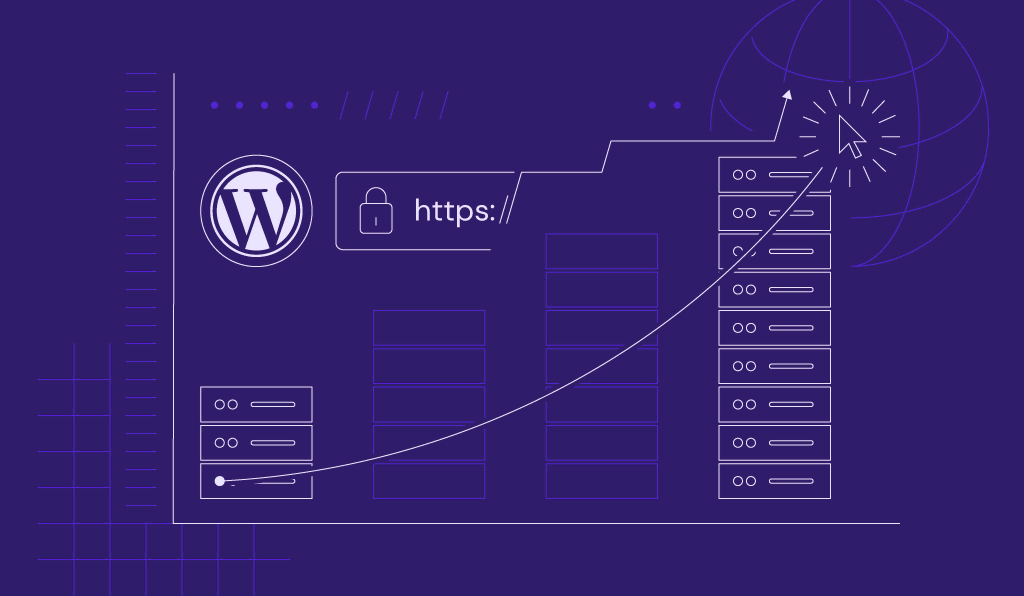
4. Implement Load Balancing
Load balancing distributes incoming traffic across multiple servers. This prevents any single server from becoming overloaded, ensuring consistent performance.
Load balancing is essential for high-traffic websites or e-commerce platforms during peak periods.
5. Optimize Databases
High traffic can strain databases. Steps to optimize include:
-
Indexing frequently accessed data
-
Removing unnecessary or duplicate data
-
Using caching mechanisms for database queries
Efficient databases improve site speed and reliability during traffic spikes.
6. Monitor Traffic and Performance
Use analytics and monitoring tools to track website performance:
-
Google Analytics for traffic trends
-
Server monitoring tools for CPU, memory, and load
-
Alert systems for downtime or slow performance
Proactive monitoring allows you to address issues before they affect users.
7. Plan for Scaling Ahead of Time
Anticipate traffic spikes for:
-
Product launches
-
Marketing campaigns
-
Seasonal sales
Prepare hosting resources, optimize content, and enable caching or CDNs in advance.
Final Thoughts
Scaling a website for traffic spikes is essential to maintain reliability, speed, and user satisfaction. By optimizing performance, using a CDN, upgrading hosting, implementing load balancing, and monitoring traffic, your website can handle sudden surges effectively.
Proper planning ensures your website delivers a smooth experience, protects SEO rankings, and maximizes opportunities from high traffic periods.