
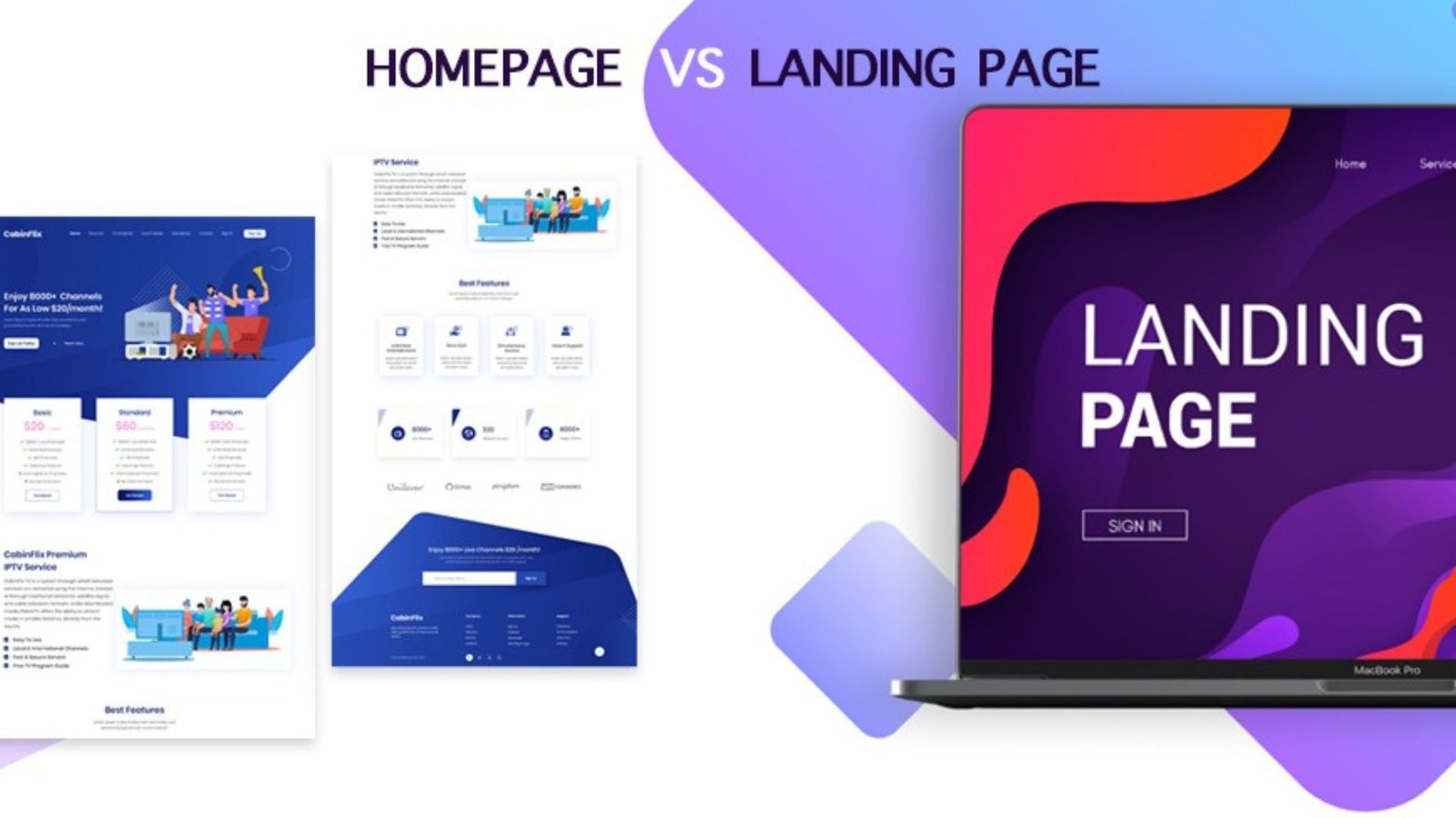
Landing Pages vs Full Websites serve different purposes, and choosing the right option depends on your business goals. Landing pages are focused, single-page designs aimed at conversions, such as sign-ups or sales. Full websites offer a broader online presence with multiple pages for products, services, and content. Understanding the differences helps you allocate resources effectively. Each option has unique benefits and limitations. Knowing which is best for your situation ensures you reach your audience efficiently.
Purpose and Goals
The primary distinction between Landing Pages vs Full Websites is purpose. Landing pages focus on a single objective, like capturing leads or promoting a product. Full websites provide comprehensive information about a brand, including multiple offerings. Choosing based on your goals ensures the platform meets your marketing needs. Clear objectives guide design, content, and functionality decisions. Landing pages drive immediate action, while full websites build credibility and long-term engagement.
Design and Layout Differences
Design varies significantly between Landing Pages vs Full Websites. Landing pages have minimal navigation to keep attention on a single action. They often feature bold CTAs, concise copy, and visual focus. Full websites include menus, multiple sections, and diverse content layouts. Design must balance usability with brand identity across multiple pages. Layout choices impact how effectively users interact with your content.
Content Focus
Content strategy differs in Landing Pages vs Full Websites. Landing pages use targeted, persuasive content to encourage immediate conversions. Full websites provide detailed information, blogs, portfolios, and resources. Landing page copy is short, direct, and benefits-oriented. Full websites support brand storytelling and SEO with extensive content. Effective content aligns with the platform’s purpose and audience expectations.
User Experience and Navigation
Navigation plays a different role in Landing Pages and Full Websites. Landing pages minimize distractions and guide users toward one clear action. Full websites require intuitive menus and structured navigation for multiple sections. User experience affects engagement and conversion rates. Simplified navigation on landing pages improves focus. Comprehensive navigation on websites improves discoverability and usability.
SEO Considerations
SEO approaches vary between Landing Pages and Full Websites. Landing pages target specific keywords for focused campaigns. Full websites support broader SEO strategies with multiple pages and topics. Both benefit from fast loading, mobile optimization, and quality content. Proper SEO ensures your audience finds you online. Choosing the right structure impacts long-term visibility and search performance.
Conversion Rates
Conversion potential differs between Landing Pages vs Full Websites. Landing pages often achieve higher conversions due to focus and minimal distractions. Full websites build credibility and trust, supporting conversions over time. Combining both strategies can maximize results. Testing and optimization improve performance regardless of choice. Conversion-focused design drives marketing success.
Cost and Development
Budget considerations influence Landing Pages and Full Websites decisions. Landing pages are usually cheaper and faster to develop. Full websites require more resources for design, content, and maintenance. Smaller campaigns may benefit from single landing pages. Long-term brand presence requires full websites. Balancing cost and impact helps you choose effectively.
Analytics and Testing
Landing pages allow precise tracking of user behavior for specific campaigns. Full websites require broader analytics to understand multiple interactions. Both benefit from A/B testing, heatmaps, and performance metrics. Data guides improvements in design, content, and conversion strategy. Analytics informs whether landing pages or full websites meet your objectives.
Maintenance and Updates
Maintenance differs for Landing Pages vs Full Websites. Landing pages are simpler to update and optimize for campaigns. Full websites require regular content updates, security checks, and feature improvements. Efficient maintenance ensures performance and user satisfaction. Both require ongoing attention to stay effective.
Conclusion
Landing Pages vs Full Websites each serve distinct purposes. Landing pages focus on immediate action and high conversion, while full websites provide comprehensive brand presence and information. Many businesses benefit from combining both for campaigns and long-term engagement. Your choice depends on goals, budget, and audience needs. Understanding the differences ensures you invest wisely in your online strategy. Using landing pages for targeted campaigns and full websites for broader presence maximizes results and builds credibility.