
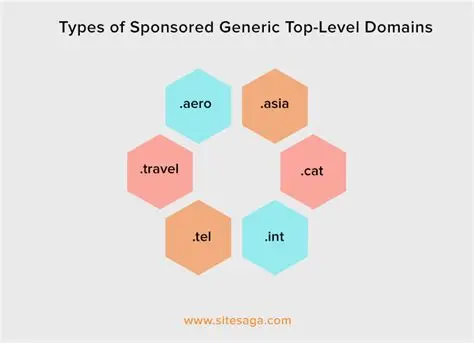
When choosing a domain for your website, it’s important to understand the distinction between generic domains and country domains. Each type serves different purposes, and selecting the right one can affect your branding, audience reach, and online credibility.
This guide explains the main differences and helps you choose the best option for your website.
What Are Generic Domains?
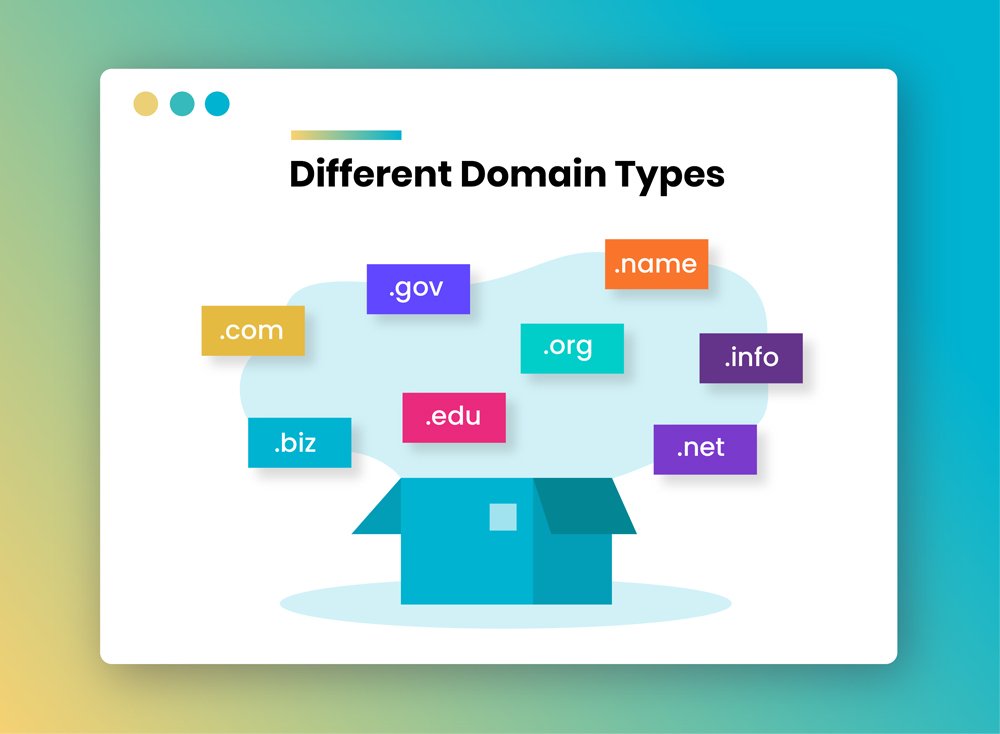
Generic top-level domains (gTLDs) are not tied to any specific country. They include popular extensions like:
-
.com– Used for commercial or business websites. -
.org– Commonly used by organizations and non-profits. -
.net– Initially intended for network providers and tech companies. -
.info– Ideal for informational websites.
Generic domains are suitable for websites with a global audience. They are widely recognized and help establish credibility across countries.
What Are Country Domains?
Country-code top-level domains (ccTLDs) represent a specific country or region. Examples include:
-
.uk– United Kingdom -
.za– South Africa -
.jp– Japan -
.ca– Canada
These domains signal that a website is focused on a particular country. Businesses targeting local audiences often benefit from ccTLDs because they can improve local search engine rankings and build trust within that region.
Key Differences Between Generic and Country Domains
1. Geographic Targeting
-
Generic domains target a global audience.
-
Country domains target users in a specific country or region.
2. SEO and Search Engine Benefits
-
Generic domains are neutral in location, which is ideal for worldwide SEO.
-
Country domains help improve local search rankings. Search engines often associate ccTLDs with users in that country.
3. Branding and Perception
-
Generic domains give a global, professional impression.
-
Country domains show local relevance, which builds trust with local users.
4. Availability and Flexibility
-
Generic domains may be harder to find due to high demand.
-
Country domains often offer more options, especially for new businesses targeting a region.
When to Choose a Generic Domain
-
You want a global reach.
-
Your brand is international or may expand to multiple countries.
-
You prefer a well-recognized extension, such as
.com.
When to Choose a Country Domain
-
Your business primarily serves a local market.
-
You want to improve local SEO.
-
You want to establish trust with users in a specific country.
In some cases, businesses register both types. This protects the brand and ensures users from different regions can find the website easily.
Final Thoughts
Understanding the difference between generic and country domains is crucial for effective website strategy. Generic domains offer global recognition and flexibility, while country domains build local credibility and improve regional SEO.
Choosing the right domain type helps your brand connect with the intended audience, boost visibility, and create a professional online presence.