
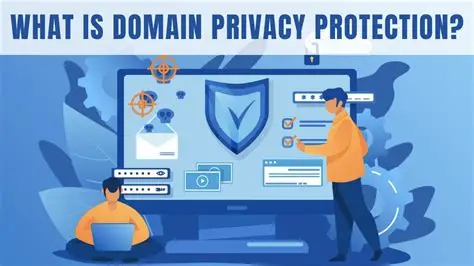
When you register a domain, your personal information—such as your name, address, phone number, and email—is stored in a public database called WHOIS. Anyone can look up your domain and see these details.
This is where domain privacy protection becomes essential. It helps safeguard your personal data and protect your website from potential risks.
What Is Domain Privacy Protection?
Domain privacy protection, sometimes called WHOIS privacy, hides your personal contact information from public view. Instead of showing your details, the registrar’s information is displayed in the WHOIS database.
This service ensures that your personal email, phone number, and address remain private while maintaining domain ownership.
Why Domain Privacy Protection Matters
1. Prevent Spam and Unwanted Contact
Without privacy protection, your email address can be harvested by spammers. This often leads to a flood of marketing emails, scam attempts, or phishing attacks.
Privacy protection keeps your contact information hidden, reducing unwanted communication.
2. Protect Against Identity Theft
Publicly available domain information can be used by malicious individuals to impersonate you or commit fraud. Privacy protection minimizes this risk by keeping your personal data confidential.
3. Reduce Legal and Harassment Risks
Displaying your personal information online exposes you to harassment or unsolicited legal threats. Privacy protection ensures that only the registrar’s information is shown, shielding you from potential disputes.
4. Maintain Professionalism
For business owners, privacy protection ensures that only your brand or business details are visible publicly, keeping communications professional and relevant.
How Domain Privacy Protection Works
When enabled, domain privacy services replace your personal information in the WHOIS database with generic contact details provided by the registrar.
-
Emails sent to the WHOIS contact are forwarded to you by the registrar.
-
Phone calls or letters sent to the listed contact reach the registrar, who forwards them if necessary.
This way, you stay reachable without exposing your personal information publicly.
Choosing Domain Privacy Protection
Most registrars offer domain privacy as an optional service for a small fee or even included for free with domain registration. When selecting a registrar:
-
Check if privacy protection is available and its cost
-
Confirm that it applies to your domain extension (some ccTLDs may have restrictions)
-
Understand how messages are forwarded to you to avoid missing important communications
Best Practices for Domain Privacy
-
Enable privacy protection immediately upon registration to prevent public exposure.
-
Use a separate email for domain registration to keep spam away from your primary inbox.
-
Renew privacy protection along with your domain to maintain protection over time.
-
Monitor registrar notifications to stay informed about any messages sent via WHOIS forwarding.
These practices keep your domain secure while ensuring you remain reachable for legitimate inquiries.
Final Thoughts
Privacy protection is a critical step in maintaining the security and professionalism of your website. It shields your personal information from spam, identity theft, and harassment, while still allowing you to manage your domain effectively.
Whether for personal projects or business websites, enabling privacy protection ensures that your online presence is safe, professional, and protected from unnecessary risks.