
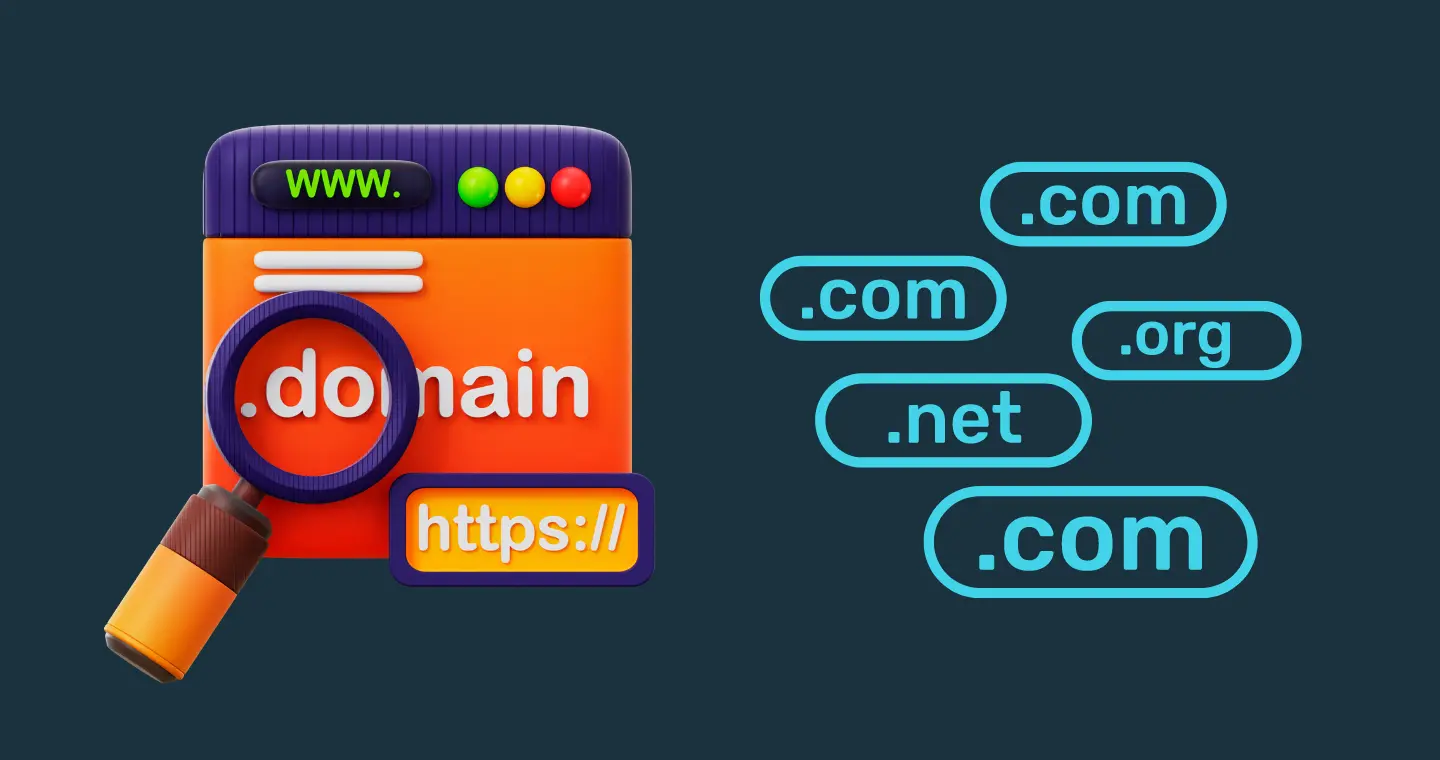
In today’s digital world, every website starts with a domain name. It is the first thing users see. It also plays a key role in branding and trust. Therefore, understanding domain name basics helps you build a strong online presence.
This guide explains what domains are, how they work, and why they matter.
What Is a Domain Name?
A domain name is the address of a website on the internet. It allows users to find your site easily. Instead of typing a long IP address, people type a simple name like example.com.
In simple terms, a domain name connects users to your website’s server. Without it, browsing the web would be difficult and confusing.
How Domain Names Work
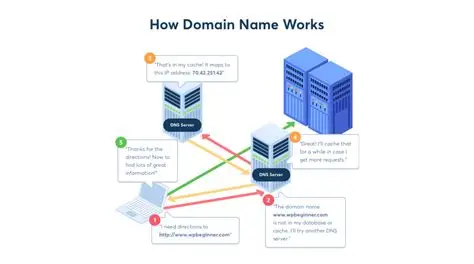
When someone types a domain name into a browser, a process begins. First, the browser checks the Domain Name System, also known as DNS. This system acts like an online phone book.
Next, DNS translates the domain name into an IP address. Then, the browser uses that address to locate the correct server. Finally, the website loads on the user’s screen. All of this happens in seconds.
Because of this system, domain names make the internet user-friendly.
Main Parts of a Domain Name
Every domain name has two main parts. Each part serves a purpose.
The first part is the second-level domain. This is the name you choose, such as “google” or “amazon.” It often represents a brand or business name.
The second part is the top-level domain (TLD). Examples include .com, .org, and .net. The TLD appears at the end of the domain name.
Together, these parts create a complete domain name.
Types of Domain Extensions
There are several types of domain extensions available today. Each type suits different needs.
Generic TLDs (gTLDs) are the most common. These include .com, .info, and .online. They work well for most websites.
Country-code TLDs (ccTLDs) represent specific countries. Examples include .uk, .za, and .us. These are useful for local businesses.
New domain extensions offer more creative options. Examples include .tech, .store, and .blog. They help websites stand out.
Choosing the right extension depends on your audience and goals.
Why Domain Names Matter
A good domain name builds trust and credibility. It makes your website look professional. It also helps users remember your brand.
In addition, search engines use domain signals when ranking websites. While domains alone do not guarantee rankings, they still support overall SEO efforts.
Therefore, a clear and relevant domain name adds long-term value.
Tips for Choosing the Right Domain Name
Choosing a domain name requires careful thought. However, a few simple tips can help.
First, keep it short and easy to spell. Long names confuse users.
Second, avoid numbers and hyphens when possible. They reduce clarity.
Third, choose a name that reflects your brand or topic. This improves recognition.
Finally, check availability early. Good domain names sell fast.
Domain Registration and Ownership
To use a domain name, you must register it through a domain registrar. Registration usually lasts one year. You can renew it annually.
Once registered, you own the rights to use the domain. However, missing renewals can cause you to lose it. Therefore, auto-renewal is a smart option.
Final Thoughts
Domains are the foundation of every website. They make online navigation simple and reliable. By understanding domain name basics, you can make better decisions for your online projects.
Whether you are starting a blog or building a business site, the right domain name sets the tone. Choose wisely, and your website will start on strong ground.