

Website speed is a critical factor for user experience, SEO, and conversion rates. Slow-loading websites frustrate visitors and can result in lost traffic or sales.
A Content Delivery Network (CDN) is one of the most effective tools to improve website performance and handle increasing traffic efficiently.
What Is a CDN?
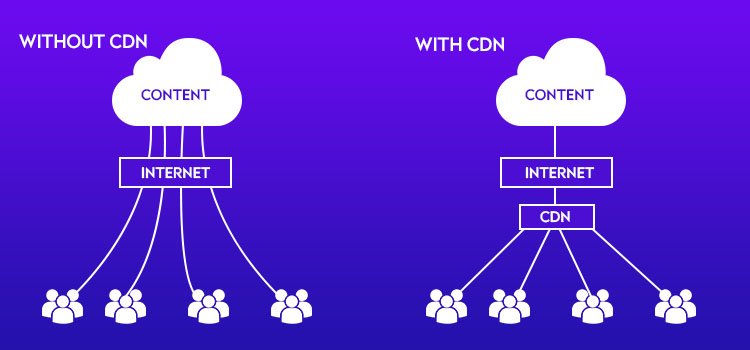
A CDN is a network of servers distributed across different locations worldwide. It stores cached copies of your website content, including images, videos, scripts, and stylesheets.
When a user visits your website, the CDN serves content from the server closest to their location, reducing the distance data must travel and improving loading times.
How CDN Integration Boosts Website Speed
1. Reduced Latency
Latency is the delay between a user requesting a webpage and receiving it. CDNs shorten this distance by serving content from nearby servers, significantly reducing page load times.
Faster websites improve user satisfaction and increase the likelihood of visitors staying on your site.
2. Load Distribution
High traffic can overwhelm your web server, causing slowdowns or crashes. CDNs distribute the load across multiple servers, preventing a single server from becoming a bottleneck.
This ensures that your website remains fast and responsive even during traffic spikes.
3. Optimized Content Delivery
CDNs use caching and compression to optimize files before delivering them to users. Common optimizations include:
-
Image compression
-
Minification of JavaScript and CSS files
-
HTTP/2 support for faster content transfer
Optimized content reduces download times and improves overall site performance.
4. Protection Against Traffic Surges
A sudden increase in traffic, such as during a viral marketing campaign, can strain servers. CDNs absorb much of the traffic by serving cached content, preventing server overload and maintaining website speed.
5. Faster Mobile Experience
Mobile users often have slower connections. CDNs enhance mobile performance by delivering lightweight, optimized content quickly, ensuring a smooth browsing experience for all devices.
Additional Benefits of CDN Integration
-
Improved SEO: Faster websites rank better on search engines.
-
Enhanced Security: Many CDNs provide DDoS protection and secure content delivery.
-
Global Reach: Users worldwide get similar performance regardless of location.
These benefits make CDNs a valuable investment for businesses aiming to scale online effectively.
Best Practices for CDN Implementation
-
Choose a reliable CDN provider such as Cloudflare, AWS CloudFront, or Akamai.
-
Enable caching for static assets like images, videos, and scripts.
-
Combine CDN with website optimization such as image compression and code minification.
-
Monitor performance regularly to ensure optimal delivery speeds.
Proper integration maximizes the speed, reliability, and security benefits of a CDN.
Final Thoughts
CDN integration is a simple yet powerful way to improve website speed and user experience. By distributing content globally, optimizing delivery, and reducing server load, CDNs ensure fast and reliable access for visitors everywhere.
Faster websites not only keep users engaged but also boost SEO rankings, improve conversions, and prepare your site for traffic growth.
Integrating a CDN is essential for businesses and websites that want to stay competitive in today’s fast-paced online environment.