
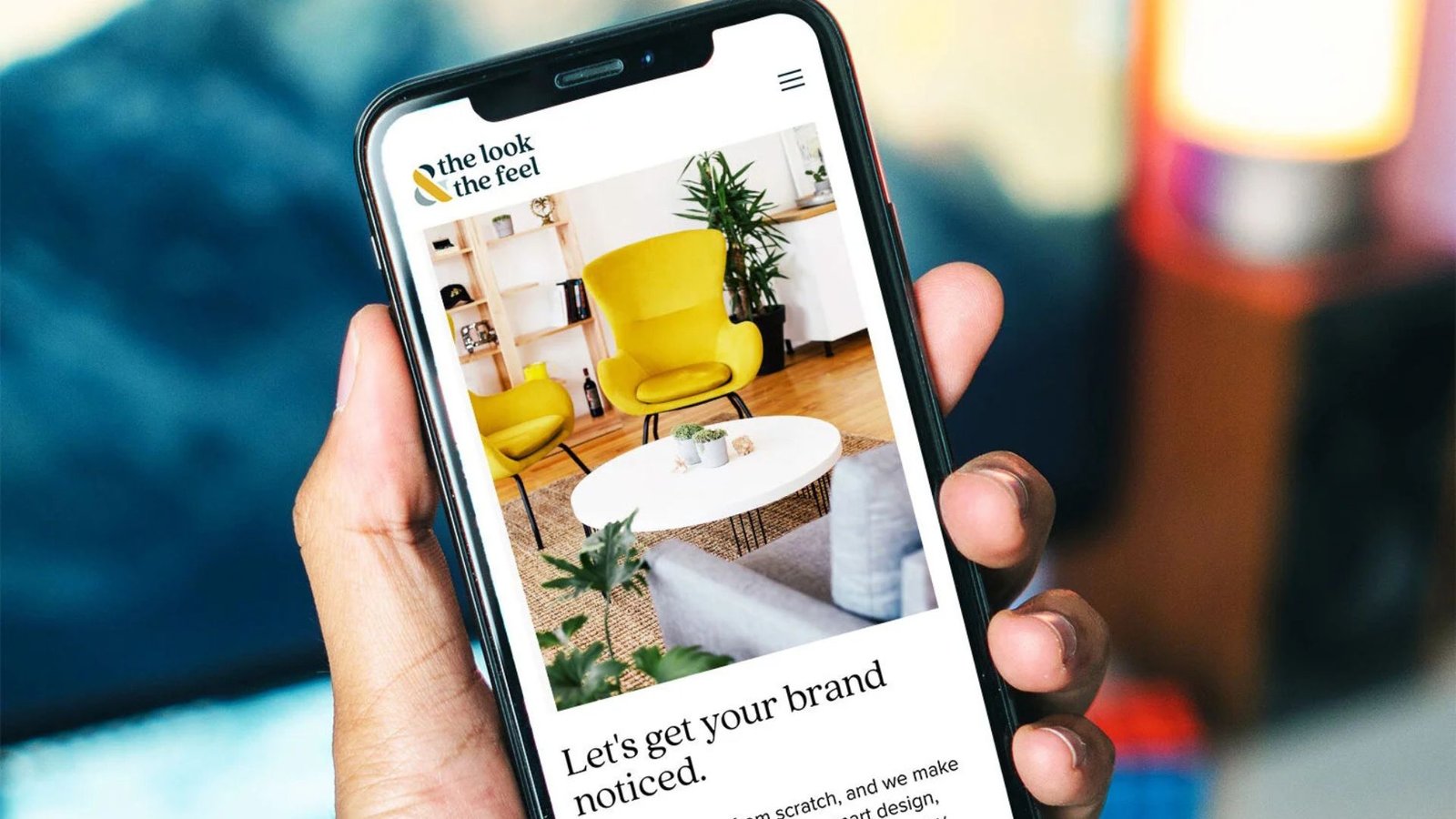
How to Make Your Website Mobile-Friendly is essential in today’s digital world. Most users access websites on smartphones and tablets, making responsive design critical. A mobile-friendly site improves user experience, reduces bounce rates, and boosts search engine rankings. Ignoring mobile optimization risks losing potential customers. Understanding practical steps ensures your website works smoothly on all devices. Following these tips helps you reach and retain mobile users effectively.

Use a Responsive Design
Responsive design automatically adjusts your website layout for any screen size. How to Make Your Website Mobile-Friendly starts with choosing a responsive theme or framework. This ensures text, images, and buttons scale appropriately. Visitors can navigate easily without zooming or scrolling excessively. Responsive design eliminates separate mobile sites, simplifying maintenance. It creates a seamless experience across devices.
Optimize Loading Speed
Website speed affects usability and engagement. How to Make Your Website Mobile-Friendly includes compressing images, minimizing code, and leveraging browser caching. Slow-loading sites frustrate mobile users and increase bounce rates. Fast pages improve SEO and keep visitors on your site longer. Optimized speed ensures smooth browsing on slower mobile networks. Quick-loading pages enhance user satisfaction.
Simplify Navigation
Navigation should be intuitive and easy to use on smaller screens. How to Make Your Website Mobile-Friendly involves using concise menus, collapsible navigation bars, and prominent buttons. Avoid complex menus or hidden links that confuse users. Simple navigation allows visitors to find content quickly. Touch-friendly buttons improve interaction and reduce frustration. Clear navigation boosts usability and engagement.
Improve Readability
Text must be legible on mobile devices. How to Make Your Website Mobile-Friendly includes using readable font sizes, sufficient line spacing, and contrasting colors. Short paragraphs and bullet points enhance scanning. Avoid tiny fonts or long blocks of text. Well-presented content ensures mobile users can easily read and understand information. Good readability increases retention and interaction.
Optimize Images and Media
Images and videos should be mobile-optimized to prevent slow loading. How to Make Your Website Mobile-Friendly includes resizing media, using modern formats, and enabling lazy loading. High-quality visuals must balance clarity with file size. Optimized media reduces data usage for mobile users. Properly displayed visuals improve overall design and engagement. Efficient media enhances user experience without sacrificing performance.
Prioritize Touch-Friendly Design
Mobile users rely on touch interactions. How to Make Your Website Mobile-Friendly includes designing buttons and links large enough for easy tapping. Avoid placing interactive elements too close together. Forms should be simplified with large input fields. Touch-friendly design reduces errors and frustration. Users navigate smoothly when elements are easy to interact with. Good touch design supports accessibility and satisfaction.
Test Across Devices and Browsers
Testing ensures your site works on different devices and platforms. How to Make Your Website Mobile-Friendly involves checking smartphones, tablets, and various screen resolutions. Also, verify functionality on multiple browsers. Testing identifies layout issues, broken elements, or slow performance. Regular testing ensures consistent user experience. Feedback from real users helps improve functionality further.
Implement Mobile SEO
Mobile optimization improves search rankings and discoverability. How to Make Your Website Mobile-Friendly includes using mobile-friendly URLs, meta tags, and structured content. Ensure content loads quickly and navigation is simple. Mobile SEO signals search engines that your site is user-friendly. Optimized SEO attracts more mobile traffic. Search visibility increases engagement and potential conversions.
Avoid Pop-Ups and Intrusive Elements
Pop-ups can frustrate mobile users. How to Make Your Website Mobile-Friendly recommends limiting overlays or ensuring they are easy to close. Avoid elements that block content or require excessive scrolling. Non-intrusive messages maintain user focus. Reducing interruptions improves satisfaction and retention. Thoughtful design encourages positive experiences on mobile devices.
Conclusion
How to Make Your Website Mobile-Friendly requires responsive design, fast loading, readable content, touch-friendly elements, and optimized media. Navigation, forms, testing, and mobile SEO further enhance usability. Avoiding intrusive pop-ups and continuous monitoring ensures a smooth mobile experience. Mobile optimization builds trust, improves engagement, and boosts search visibility. Following these steps creates a website that performs well across all devices. Prioritizing mobile users strengthens overall online success.