
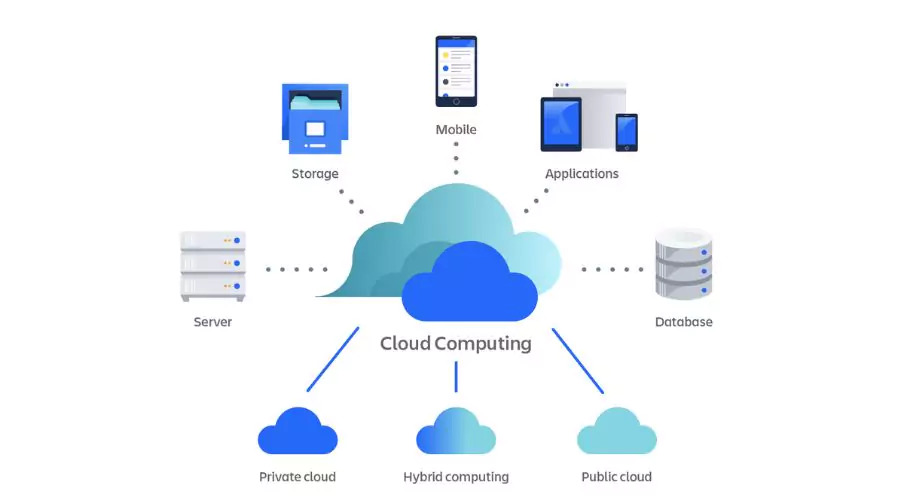
Cloud hosting is a modern way of hosting websites. Instead of using one physical server, it relies on a network of connected servers. These servers work together to store data and deliver website content to visitors.
This setup improves reliability, speed, and flexibility. As a result, cloud hosting has become popular for websites of all sizes.
What Is Cloud Hosting?
Cloud hosting stores your website files across multiple servers rather than a single machine. When a visitor opens your website, the system automatically uses the best available server to deliver the content.
Because of this structure, hosting reduces downtime and improves performance. If one server fails, another takes over without interruption.
How it Works
When someone visits your website, the request is processed by the cloud network. The system identifies the server with the most available resources or the closest location.
That server then delivers the website files to the visitor’s browser. This process happens quickly and often goes unnoticed by users.
Hosting also adjusts resources automatically. During traffic spikes, it adds more power. When traffic drops, it scales back to save costs.
Key Benefits
Hosting offers several important advantages.
It provides high reliability because your website does not depend on one server. This reduces downtime and improves user experience.
It supports easy scalability, allowing websites to handle sudden traffic increases without slowing down.
It improves website speed, especially when combined with global server locations.
It enhances data security through redundancy and regular backups.
It also follows a pay-as-you-use model, which helps control hosting costs.
Cloud Hosting vs Traditional Hosting
Traditional hosting uses a single server to host websites. If that server experiences problems, the website may go offline.
Cloud hosting spreads data across multiple servers. This setup offers better uptime, flexibility, and performance.
While shared hosting is cheaper, cloud hosting offers more stability. Compared to VPS or dedicated hosting, hosting is often easier to scale.
Who Should Use?
Hosting suits many types of websites.
It works well for growing businesses that expect traffic changes.
It supports e-commerce websites that need uptime and speed.
It benefits content-heavy websites, such as blogs or news platforms.
It also helps startups that want flexible resources without long-term commitments.

Things to Consider Before Choosing
Although hosting has many benefits, it is important to evaluate your needs.
Pricing can vary depending on usage. Monitoring resource consumption helps avoid unexpected costs.
Some cloud platforms may feel complex for beginners. Choosing managed cloud hosting simplifies setup and maintenance.
Understanding these factors helps you select the right plan.
Final Thoughts
Cloud hosting is a powerful and flexible solution for modern websites. It offers reliability, scalability, and improved performance without relying on a single server.
For beginners and growing businesses, hosting provides a strong foundation. It ensures your website stays online, loads quickly, and adapts as your audience grows.