
Shared Hosting vs VPS vs Dedicated Hosting
Choosing the right hosting type is essential for your website’s performance, security, and growth. Many beginners feel confused by shared hosting, VPS hosting, and dedicated hosting. Each option works differently and suits specific website needs.
Understanding how these hosting types compare helps you make a confident and informed decision.
What Is Shared Hosting?
Shared hosting is the most common and affordable hosting option. In this setup, multiple websites share the same server and its resources, such as CPU, RAM, and storage.
This option works well for small websites that do not receive heavy traffic. Hosting providers manage server maintenance, updates, and security, which makes shared hosting beginner-friendly.
However, performance may fluctuate. If one website on the server uses too many resources, others may slow down. Security is also more limited due to the shared environment.
Shared hosting is best for personal blogs, small business websites, and starter projects with low traffic.
What Is VPS Hosting?
VPS hosting stands for Virtual Private Server hosting. It uses one physical server that is divided into multiple virtual servers. Each VPS has its own allocated resources and operates independently.
This setup offers better performance and stability than shared hosting. Your website is less affected by other users on the same server. VPS hosting also allows greater control over server settings.
While VPS hosting costs more than shared hosting, it offers better scalability and security. Some technical knowledge may be required, especially for unmanaged VPS plans.
VPS hosting is ideal for growing websites, medium-sized businesses, and online stores with increasing traffic.
What Is Dedicated Hosting?
Dedicated hosting provides exclusive access to an entire physical server. All server resources belong to one website, which ensures maximum performance and reliability.
This hosting type offers full control over server configuration, software, and security settings. Since no resources are shared, security risks are significantly reduced.
Dedicated hosting is the most expensive option and often requires technical expertise to manage effectively. Many providers offer managed dedicated hosting to simplify server maintenance.
Dedicated hosting is best for high-traffic websites, large businesses, and platforms that handle sensitive data or heavy workloads.
Key Differences Between Hosting Types
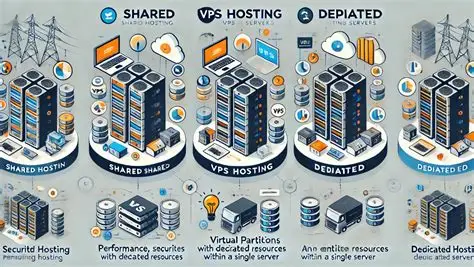
Shared hosting is affordable and easy to manage, but resources are limited and shared. VPS hosting offers a balance between cost and performance with dedicated resources. Dedicated hosting delivers the highest performance, security, and customization, but at a higher cost.
The right choice depends on your website’s size, traffic volume, and technical requirements.

How to Choose the Right Hosting Option
Start by assessing your website’s current traffic and future growth plans. If your site is small and new, shared hosting is often sufficient. As traffic increases, VPS hosting provides better stability and control. For large or high-traffic websites, dedicated hosting ensures optimal performance.
Budget also matters. While shared hosting is affordable, investing in VPS or hosting can prevent performance issues later. Finally, consider your technical skills. Managed hosting options can reduce complexity if you prefer hands-off server management.
Final Thoughts
Shared hosting, VPS hosting, and hosting each serve different purposes. Shared hosting suits beginners and small websites. VPS hosting supports growing businesses that need flexibility and reliability. Dedicated hosting offers maximum power for large and demanding websites.
Choosing the right hosting type ensures your website stays fast, secure, and ready to grow without unnecessary limitations.