
Shared vs VPS vs Dedicated Hosting Explained is a guide to understanding the different types of web hosting available. Choosing the right hosting type affects website performance, security, and scalability. Each option has unique benefits and limitations depending on the size of your site and traffic needs. Knowing the differences helps businesses and individuals make informed decisions. Selecting the right hosting ensures faster loading times, reliable uptime, and better user experience. Understanding these options allows you to choose a solution that fits your technical requirements and budget.
What Shared Hosting Is
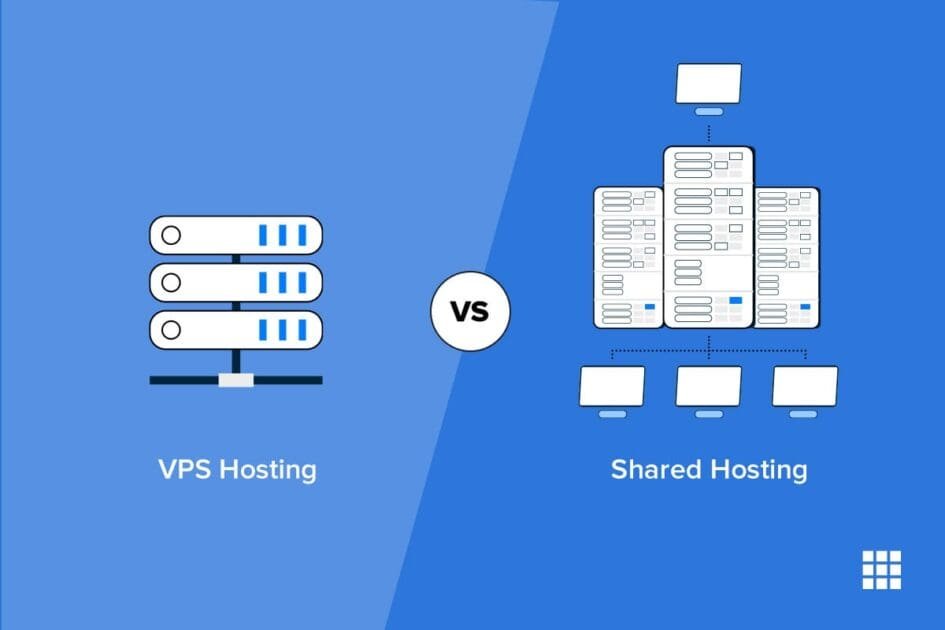
Shared hosting is the most basic type of web hosting. Shared vs VPS and Dedicated Hosting Explained includes multiple websites sharing the same server resources. This reduces costs but may impact performance if other sites consume a lot of bandwidth. Shared hosting is suitable for small websites, blogs, or startups. It provides basic features like email accounts, storage, and website management tools. Beginners often choose shared hosting for its simplicity and affordability.
Advantages of Shared Hosting
Shared hosting offers several benefits for entry-level users. Shared vs VPS and Dedicated Hosting Explained includes cost-effectiveness, managed maintenance, and easy setup. Providers handle server updates, security, and technical support. Users can focus on content creation and website growth instead of server management. Shared hosting is practical for small sites with low traffic. It’s an ideal starting point before upgrading to more advanced hosting solutions.
Limitations of Shared Hosting
While affordable, shared hosting has its limitations. Shared vs VPS and Dedicated Hosting Explained includes slower speeds, limited storage, and less server control. High traffic on other websites can affect your site’s performance. Security risks may also increase due to resource sharing. Customization options are restricted compared to VPS or dedicated hosting. Understanding these drawbacks helps users set realistic expectations.
What VPS Hosting Is
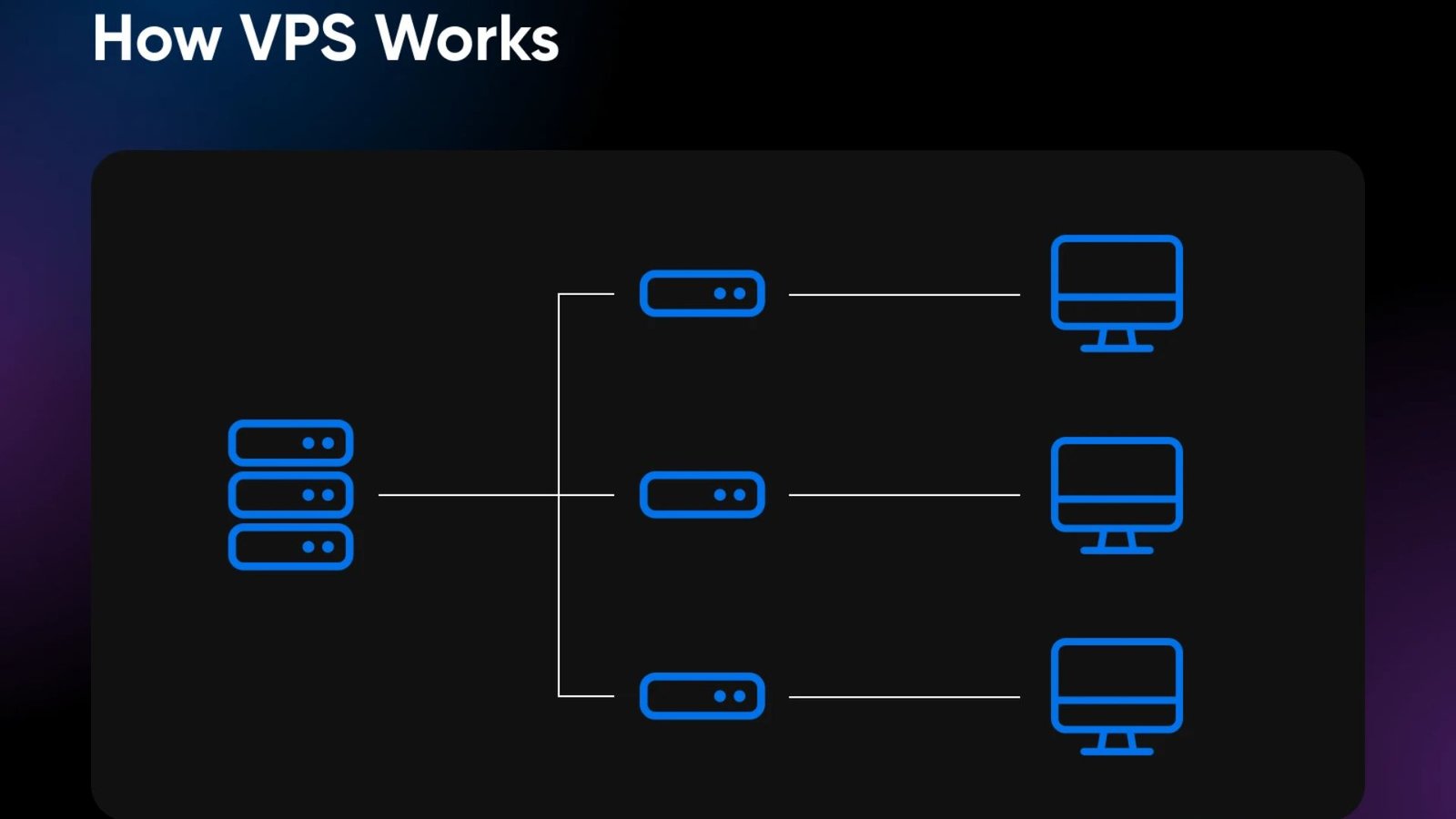
VPS (Virtual Private Server) hosting provides a virtualized server environment. Shared VPS and Dedicated Hosting Explained includes a dedicated portion of a server for each user. VPS offers better performance, security, and control than shared hosting while remaining cost-effective. Users have root access and can install custom software. VPS is suitable for growing websites, small e-commerce stores, or moderately trafficked sites. It strikes a balance between affordability and functionality.
Benefits of VPS Hosting
VPS hosting offers performance and flexibility advantages. Shared VPS and Dedicated Hosting Explained includes dedicated resources, faster speeds, increased security, and greater control over server settings. Users can manage software, install applications, and optimize performance. VPS plans allow scaling resources as website traffic increases. It’s ideal for businesses ready to manage some technical responsibilities. VPS provides a reliable step up from shared hosting.
Limitations of VPS Hosting
VPS hosting is not without its challenges. Shared and VPS vs Dedicated Hosting Explained includes higher costs than shared hosting and a requirement for technical knowledge. Users may need to manage updates, security settings, or troubleshooting. Performance can still be affected if the server’s physical resources are overused. VPS is suitable for those comfortable with partial server management. Awareness of these limitations ensures smoother operation and planning.
What Dedicated Hosting Is
Dedicated hosting provides an entire server exclusively for one user. Shared and VPS and Dedicated Hosting Explained offers the highest level of performance, security, and control. Users have full administrative access and can customize software, storage, and server resources. Dedicated hosting is ideal for high-traffic websites, large businesses, or those with strict security requirements. It provides maximum reliability compared to shared or VPS hosting.
Conclusion
Shared and VPS and Dedicated Hosting Explained shows that each option offers distinct levels of performance, control, and cost. Shared hosting is affordable and simple, VPS provides a balance of power and flexibility, and dedicated hosting offers maximum performance and customization. Choosing the right type depends on your website’s current needs and future growth plans. Proper hosting improves speed, security, and reliability. Understanding these differences ensures informed decisions for long-term website success.