
The Allure of Chance
The thrill of chance is a fundamental aspect of casino games that profoundly influences player behavior. This allure draws individuals into an environment where uncertainty reigns, and the possibility of winning big creates an exhilarating atmosphere. The unpredictability of outcomes engages the brain’s reward system, which releases dopamine—a neurotransmitter associated with pleasure and motivation. As players anticipate the next spin of a slot machine or the next card dealt in blackjack, they might also explore the best sports betting sites canada to enhance their gaming experience, experiencing a rush of excitement that can keep them engaged for hours.
This psychological response can be even more pronounced in high-stakes environments, where the potential for significant financial gain becomes a captivating motivator. The idea that a single bet could change one’s life can lead to a phenomenon known as the “big win delusion,” where players believe they are more likely to win than the odds suggest. This misconception can foster an ongoing cycle of play, as individuals continue to chase that elusive jackpot, convinced that their moment of victory is just around the corner.
Furthermore, the casino environment is meticulously designed to enhance this feeling of excitement. Bright lights, vibrant sounds, and the social energy of fellow gamblers create a sensory overload that reinforces the desire to continue playing. This carefully crafted atmosphere serves to distract players from the reality of their losses, making it easier for them to fall deeper into the cycle of gambling. Understanding these psychological triggers can help individuals recognize the forces at play in their gambling habits.
The Illusion of Control
Many players exhibit an intriguing phenomenon known as the “illusion of control” when engaging with casino games. This psychological bias leads them to believe they can influence the outcome of random games, such as slot machines or roulette. For instance, players may choose specific numbers or colors based on personal significance, convinced that these choices will somehow increase their odds of winning. This sense of agency can create a deeper emotional investment in the game, making losses feel more personal and wins more meaningful.
The illusion of control is often exacerbated by the presence of skill-based games, like poker or blackjack, where players believe their decisions directly affect the game’s outcome. While strategy does play a role, the inherent randomness of the cards dealt cannot be controlled. This blurring of skill and luck can lead to overconfidence, causing players to wager more than they can afford in pursuit of a win. Recognizing this tendency is crucial for fostering more responsible gambling habits and managing expectations.

Additionally, casinos capitalize on this psychological quirk by providing training and resources that emphasize skill in games like poker. These offerings can further reinforce the belief that players can master the games and consistently win, leading to increased time and money spent at the tables. By understanding the psychological mechanisms behind the illusion of control, gamblers can develop a healthier relationship with gaming by acknowledging the role of luck.
The Role of Reward Systems
The reward systems in casino games are intricately designed to create an addictive experience. The intermittent reinforcement schedule, where players receive rewards at unpredictable intervals, is particularly effective at maintaining engagement. This method of reinforcement mirrors the dynamics of a slot machine, where players might win occasionally but not consistently, encouraging them to continue playing in hopes of experiencing another win. This unpredictability makes the rewards feel more exciting and reinforces the drive to play.
Beyond monetary gains, casinos also leverage non-monetary rewards to enhance the experience. Loyalty programs, complimentary drinks, and exclusive access to events create a sense of belonging and appreciation among players. These rewards foster emotional connections to the casino and its games, blurring the line between a recreational activity and an addiction. Players often perceive these rewards as validations of their gambling, further encouraging them to return.
The dopamine release associated with winning—no matter how small—contributes significantly to the ongoing allure of casino games. This biochemical response reinforces the idea that playing, even if it leads to losses, can be rewarding in its own right. Understanding how these reward systems work can provide players with insight into their motivations and help mitigate the risks associated with excessive gambling.
The Social Aspect of Gambling
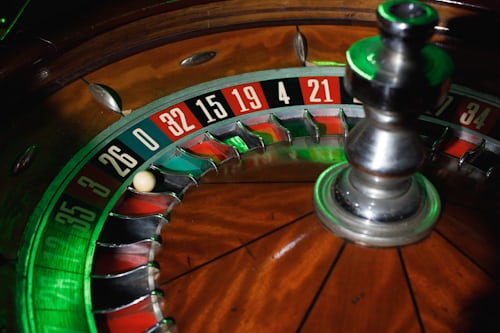
The social dynamics of gambling play a crucial role in the psychology of casino games. Many individuals are drawn to casinos not only for the chance to win but also for the social interactions that accompany gaming. This social environment cultivates a sense of community, fostering camaraderie among players who share similar interests and experiences. Group games like poker or even a shared table at a roulette wheel can enhance the thrill, as players feed off each other’s energy and excitement.
The contagious nature of excitement in casino settings can lead to heightened emotions and increased engagement. Winning or losing in the company of others can amplify those feelings, reinforcing the desire to participate. As players celebrate wins or commiserate losses, the social bonds formed can create a positive feedback loop, encouraging individuals to return for more experiences that combine gambling with social participation. This phenomenon is particularly evident in younger demographics, who often seek peer validation and connection through shared activities.
However, the social aspect of gambling can also lead to negative consequences. Players might feel pressured to gamble more than they intended to fit in with their peers. The fear of missing out or appearing less adventurous may compel them to make risky decisions at the tables. By understanding the social influences on their gambling behaviors, players can navigate these situations more consciously and make choices that align with their financial and personal goals.
The Importance of Awareness and Mindfulness
As gambling continues to evolve, awareness and mindfulness become crucial components in understanding the psychological dynamics behind casino games. Educating oneself about the psychology of gambling can empower players to make informed decisions. By recognizing the various psychological triggers, individuals can better manage their gambling habits and mitigate risks associated with excessive play. Awareness involves understanding how emotions, social influences, and cognitive biases affect decision-making processes.
Mindfulness practices, such as taking a pause during play or setting strict limits on time and money spent, are effective strategies for maintaining a healthy relationship with gambling. These practices encourage players to reflect on their motivations and feelings while engaging in casino games. By cultivating a more intentional approach, players can enjoy the thrill of gaming without succumbing to the potential pitfalls of addiction.
Ultimately, understanding the psychology behind casino games can lead to more responsible gambling. Recognizing one’s limits and being aware of the psychological mechanisms at play can enhance the overall gaming experience. Resources, like self-help tools and counseling services, are available to support individuals seeking to navigate their gambling habits responsibly. By fostering a culture of awareness and mindfulness, players can ensure that their casino experiences remain enjoyable and within their control.