
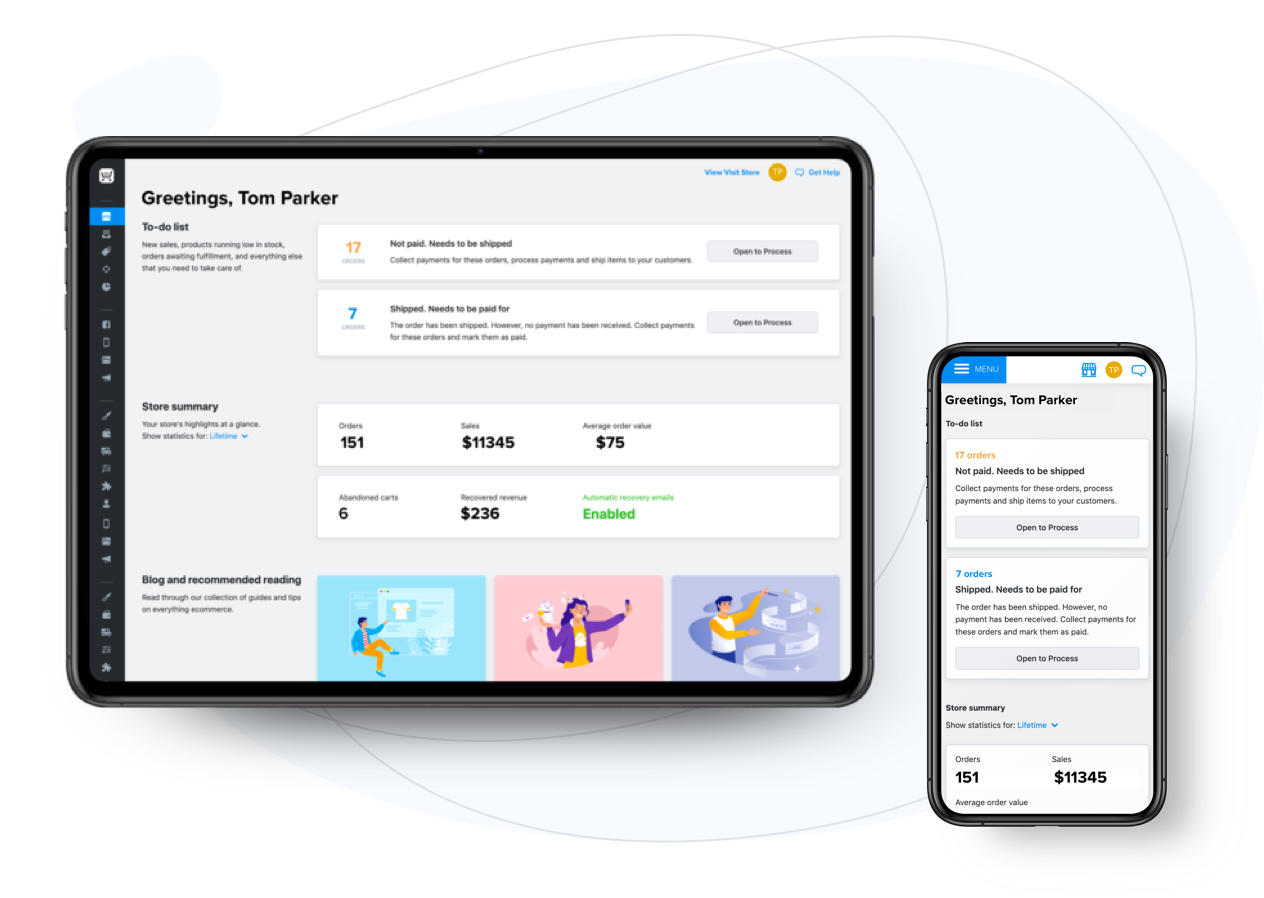
Web Hosting for E-commerce Stores plays a critical role in the success of your online business. Your hosting choice affects site speed, uptime, security, and customer experience. Because e-commerce sites handle payments and personal data, selecting the right host requires careful thought. Reliable hosting supports smooth transactions, boosts SEO performance, and builds customer trust. In contrast, poor hosting can lead to slow pages, frequent downtime, or even lost sales. Therefore, understanding what makes e-commerce hosting special helps you make smarter decisions.

Why E-commerce Needs Specialized Hosting
Unlike a simple brochure website, an online store manages inventory, shopping carts, and checkout processes. Web Hosting for E-commerce Stores must handle these dynamic functions without slowing down. Moreover, shopping sites often experience traffic spikes during holidays or promotions. If the hosting can’t scale on demand, your store may crash at peak moments. Consequently, choosing a plan designed for e-commerce helps maintain reliability. A specialized host also typically offers better performance and support than generic shared hosting.
Security Essentials for Online Shops
Security is a top priority for any store that processes payments. Web Hosting for E-commerce Stores should include SSL certificates that encrypt data between your site and customers. Additionally, firewalls, malware scanning, and intrusion detection help prevent breaches. Hosts that offer PCI compliance support ensure your store meets payment card industry standards. Without these protections, you risk fraud, data theft, and loss of customer confidence. Therefore, strong security features are non-negotiable for online retailers.
Uptime and Reliability Matter Most
Availability is directly linked to revenue in e-commerce environments. Web Hosting for E-commerce Stores must guarantee high uptime—ideally 99.9% or higher. Frequent downtime means lost customers, abandoned carts, and decreased trust. Reputable hosts use load balancing, redundant systems, and monitoring to keep sites online. In fact, many offer uptime SLAs that compensate if service falls below promises. For online stores, consistent availability is essential to daily operations.
Speed and Performance Impact Conversions
Fast page loads influence both user experience and search engine rankings. Web Hosting for E-commerce Stores should deliver quick response times to keep bounce rates low. Customers expect product pages, images, and checkout flows to load in seconds. Modern hosting uses SSD storage, caching, and CDNs to speed up delivery worldwide. Slow performance frustrates users and can push them to competitors’ websites. Therefore, performance-focused hosting plans directly support conversions and sales.
Scalability for Growth
As your store grows, traffic and order volume will increase as well. Web Hosting for E-commerce Stores must let you scale resources without migrating platforms frequently. Many hosts offer flexible plans that allow you to upgrade CPU, RAM, or storage with minimal disruption. Cloud-based hosting often delivers seamless scaling as demand rises. This flexibility helps during promotions, product launches, or peak seasons. Investing in scalable hosting future-proofs your store’s growth.
PCI Compliance and Payment Integration
Handling credit card and payment data securely is a legal and operational requirement. Web Hosting for E-commerce Stores should support PCI compliance, which ensures safe processing of cardholder data. Compliant hosts help configure server settings and security policies correctly. They may also provide documentation to support audits or certifications. Payment gateway integration, like PayPal or Stripe, should work seamlessly. Ensuring these components function together builds customer trust and protects your business.
Choosing the Right Hosting Type
There are several hosting options suitable for e-commerce, including VPS, cloud, and dedicated servers. Web Hosting for E-commerce Stores on cloud platforms often offers the best mix of performance and scalability. Meanwhile, dedicated servers suit high-traffic environments that need maximum control. Your choice depends on budget, traffic expectations, and technical expertise. Comparing features and performance benchmarks helps narrow options. It’s wise to start with a plan that meets current needs and can grow with you.
Conclusion
Web Hosting for businesses directly affects your site’s speed, security, scalability, and reliability. Choosing a hosting provider with strong uptime, performance tools, robust security, and responsive support makes your store more competitive. Backup systems and PCI compliance protect both your business and your customers. As traffic grows, scalable hosting ensures seamless performance during peak periods. Investing in the right hosting plan enhances user experience, boosts conversions, and supports long-term success. Ultimately, thoughtful hosting decisions lay a solid foundation for any thriving online store.